
Why Is My Ice Machine Failing During Peak Business Hours?
Dec 16, 2025
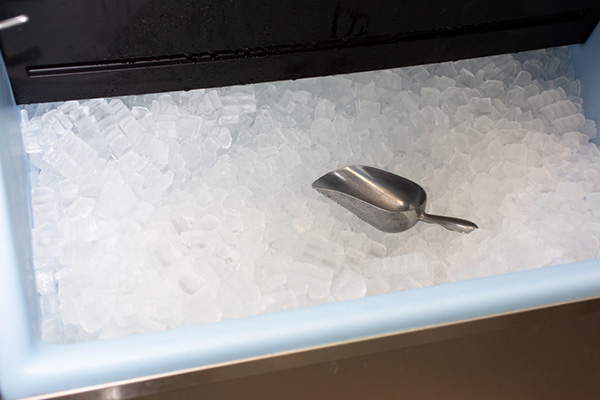
Ice machines often fail during peak business hours because demand exceeds production or key components overheat or fall out of balance.
When an ice machine works fine during slow periods but struggles or shuts down during peak hours, the problem is usually tied to high demand, airflow issues, temperature rise, or worn components. These failures often surface only when the machine is under its heaviest load, making them easy to miss until service is disrupted.
Why Do Ice Machines Fail During Peak Business Hours?
Commercial ice machines are designed to operate continuously, but peak demand exposes weaknesses in airflow, cooling capacity, water supply, and maintenance. Below, we break down the most common reasons failures occur when your business needs ice the most.
Common Reasons Ice Machines Struggle During High-Demand Periods
1. Ice Demand Exceeds Production Capacity
During rush periods, ice usage may exceed what the machine can produce. When the bin empties faster than the system can recover, it may appear as though the machine has failed—even though it’s operating as designed.
2. Dirty Condenser Coils Cause Overheating
As ice machines run continuously, condenser coils must release heat efficiently. Dirty coils trap heat, forcing the system to overwork. During peak hours, this often triggers slow production or automatic shutdowns.
High ambient temperatures combined with dirty coils are one of the most common causes of peak-hour failures.
3. Poor Airflow Around the Machine
Commercial kitchens and service areas get hotter and busier during rush periods. If airflow around the ice machine is restricted, heat builds up quickly and reduces ice production.
4. Inconsistent Water Supply or Pressure
Ice machines require consistent water flow to maintain production. During peak business hours, shared water usage—such as dishwashers or prep sinks—can reduce pressure and disrupt ice cycles.
5. Worn Components Fail Under Heavy Load
Fans, inlet valves, sensors, and control boards may function during low demand but fail when the system runs continuously. Peak hours expose these weaknesses.
6. Bin Sensors or Ice Level Controls Are Triggered Early
Clumped ice, misaligned sensors, or dirty bin controls can signal the machine to stop producing ice—even when the bin is not full.
Peak-Hour Ice Failures at a Glance
| Issue | Why It Happens During Peak Hours | Business Impact |
|---|---|---|
| Undersized machine | Demand exceeds recovery rate | Ice shortages |
| Dirty condenser | Heat buildup under continuous use | Shutdowns, slow production |
| Restricted airflow | Kitchen temps rise | Reduced efficiency |
| Water pressure drops | Simultaneous water use | Incomplete ice cycles |
| Failing components | Extended run time stresses parts | Unexpected downtime |
What You Can Check Before Calling for Service
Some peak-hour ice problems can be identified quickly before scheduling professional repair.
When To Call a Professional for Ice Machine Repair
If ice shortages continue during peak hours, professional service is recommended. Persistent issues often indicate deeper mechanical or sizing problems, such as:
RBAir provides expert ice machine repair and commercial refrigeration services to help businesses maintain consistent ice production during peak hours.
Is Your Ice Machine Failing During Rush Hours?
Our technicians can diagnose peak-demand issues and restore reliable ice production.
How To Prevent Peak-Hour Ice Machine Failures
Preventive planning reduces downtime and helps ensure ice availability when demand is highest.
Your Ice Machine Should Perform When Demand Is Highest
Ice machine failures during peak hours are rarely random. They’re usually the result of heat, demand, airflow, or aging components being pushed beyond their limits.
With proper maintenance, correct sizing, and timely repairs, your ice machine can deliver consistent performance when your business needs it most.
Ready To Restore Reliable Ice Production?
We’ll identify the cause of peak-hour failures and help keep your business running smoothly.