
The Hidden AC Setting That Might Be Making Your House More Humid
Jun 27, 2025
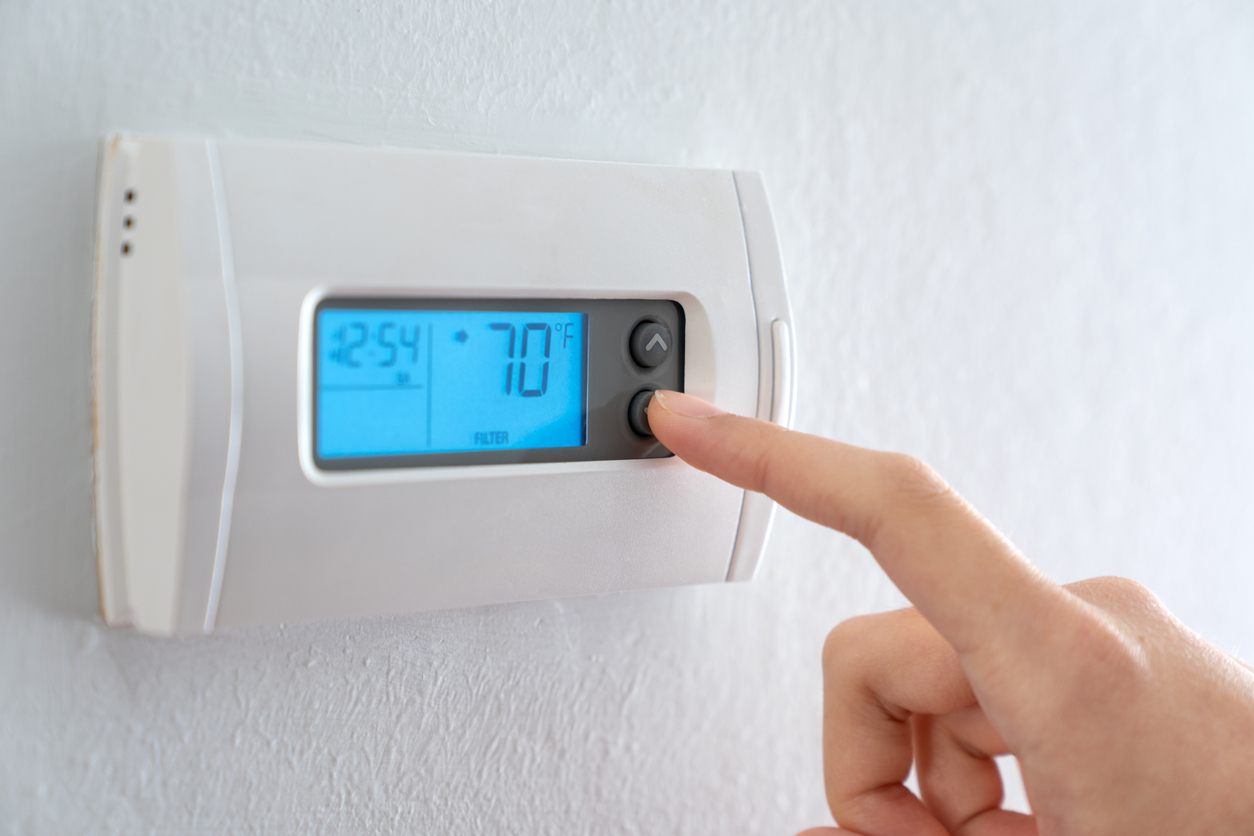
Feeling sticky or clammy inside your house, even when the AC is running? You’re not imagining it. The culprit might be something as simple as your fan setting. If your system’s fan is set to “on” instead of “auto,” it could be spreading humidity rather than reducing it, especially in Florida’s already humid climate.
Understanding the Fan Settings on Your Thermostat
Most thermostats give you two main fan options: “auto” and “on.” When set to “auto,” your HVAC fan only runs when the system is actively cooling. With “on,” the fan runs constantly, even when the compressor isn’t cooling the air. That sounds like a good thing for air circulation, but in many cases, it’s not.
“Auto” Means Moisture Is Removed More Effectively
When your AC is cooling the air, it’s also dehumidifying it. That moisture collects on the coils and then drains away. If the fan shuts off with the cooling cycle, the moisture stays on the coils and drains properly. But if the fan keeps running, it can blow that moisture right back into your home and increase humidity levels.
“On” Can Make Your Home Feel Damp
When the fan never turns off, the system keeps pushing air through wet coils. That reintroduces moisture into your living space. It also adds wear on your blower motor and can raise your energy bills unnecessarily.
How to Know If This Is Happening in Your Home
Even if your home is set to a comfortable temperature, that sticky feeling might persist. If your fan is set to “on,” that’s the first thing to check. But it’s also worth looking at the size, efficiency, and age of your HVAC system, especially if your home still feels too humid indoors.
- Check your thermostat settings: Make sure it’s set to “auto,” not “on.”
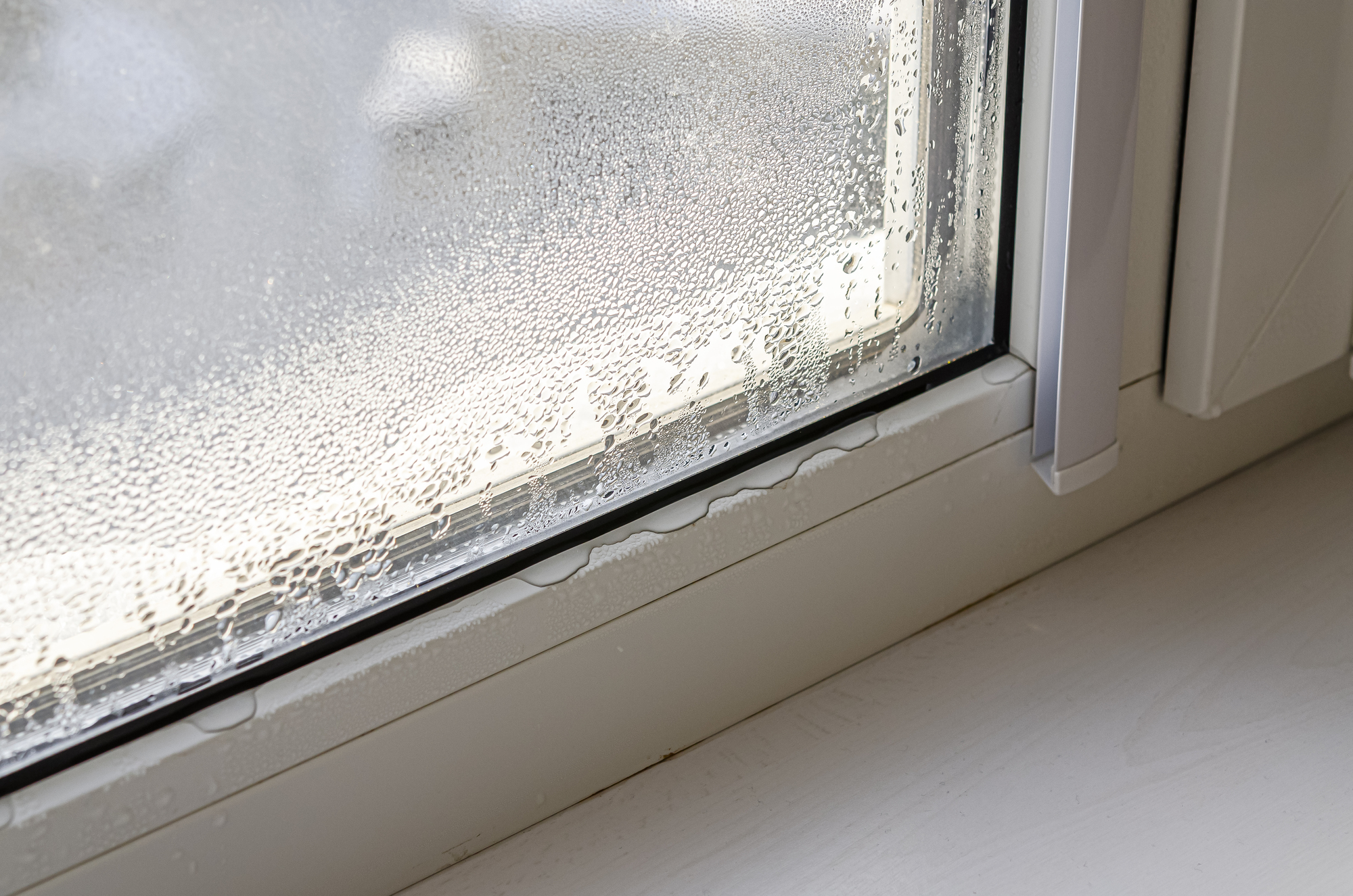
- Look for condensation: If windows or vents are showing moisture, the system may not be dehumidifying properly.
- Listen for constant airflow: If your fan runs nonstop, your thermostat may be set incorrectly or malfunctioning.
System Design and Air Quality Matter, Too
Even with the correct fan setting, other factors can contribute to high indoor humidity. Poor duct design, dirty coils, or an oversized AC system can all cause trouble. A properly installed HVAC system should manage both temperature and humidity comfortably.
The Role of Indoor Air Quality Add-ons
Adding dehumidifiers or air purifiers to your setup can improve moisture control and overall comfort. Indoor air quality upgrades are especially helpful in homes that struggle with Florida’s natural humidity.
When a Tune-Up Can Make the Difference
Regular maintenance helps your system operate efficiently. If coils are dirty or drains are clogged, humidity removal suffers. If it’s been a while since your last check-up, it may be time to schedule an AC repair to address the issue.
Is Your System Just Not Keeping Up?
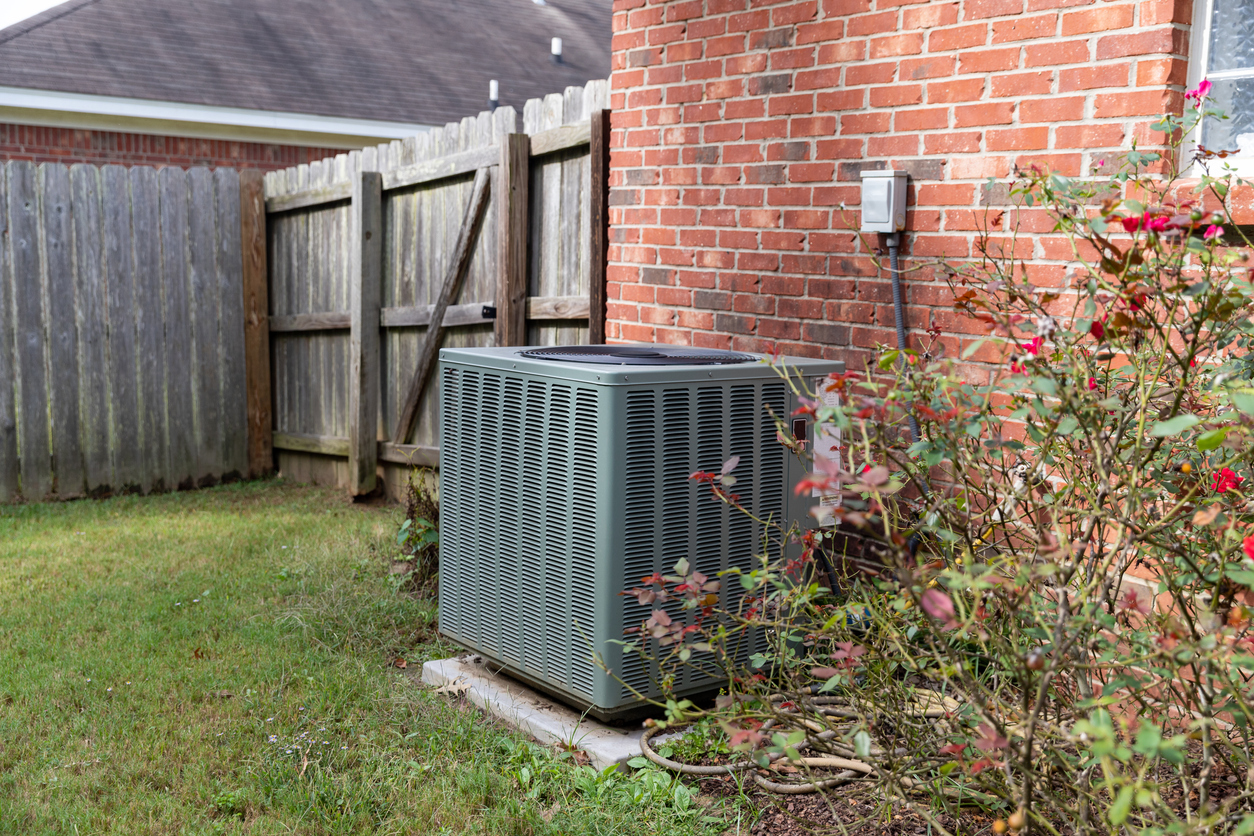
It’s also possible your system is simply outdated or mismatched to your home’s needs. An older or oversized unit might cool the air too quickly without removing enough humidity. Upgrading your AC system could fix that while improving energy efficiency at the same time.
Custom Solutions for Florida Homes
Our team works with homeowners across Central Florida to design systems that manage both heat and humidity, all year long. Whether you need a new installation or just want to stop feeling damp indoors, we’ll find a solution that fits your space.
Humidity Shouldn’t Be a Daily Battle
Comfort means more than just cool air. It means dry, breathable air that actually feels good. If your home still feels muggy even with the AC on, your HVAC setup might be working against you.
Let’s Get Your Comfort Back on Track
Humidity problems don’t always require major repairs. Sometimes it’s as easy as adjusting a setting, swapping a filter, or doing a quick tune-up. Other times, your system might need an upgrade. Either way, we’re here to help you sort it out.