
Hurricane Season HVAC Readiness for Cape Canaveral Homes
May 17, 2026
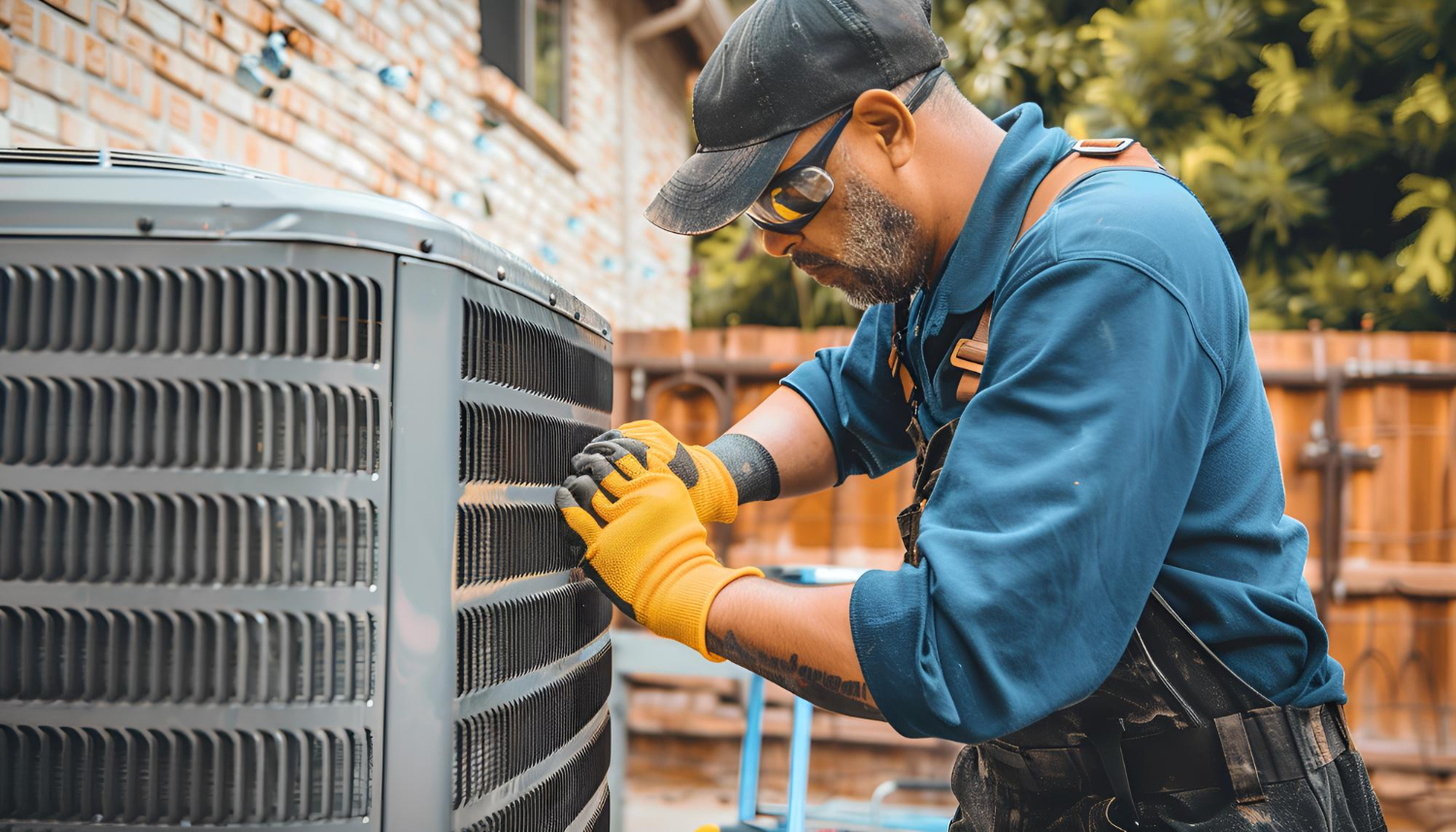
Protect Your Comfort Before the First Storm Forms
Getting your AC ready for hurricane season in Cape Canaveral is just as important as stocking up on water and batteries. When a storm knocks out power or damages equipment, your home can heat up fast, and the humidity can climb in a hurry. That is tough on your comfort and can also be hard on your home. Losing cooling in Florida heat is more than just annoying. High indoor humidity can lead to mold growth, warped wood, and that damp, musty smell that never seems to go away. Poor air circulation can also make indoor air feel stale and stuffy, which is not great for anyone with allergies or breathing issues. That is why planning ahead for power outages, surge protection, and safe post-storm checks is so important. When you know how to prepare your HVAC system and when to call for HVAC emergency repair in Cape Canaveral, you give your home a better chance to stay safe and comfortable, even when the weather gets rough.Hurricane-Ready HVAC Checks to Do Now
Before storm season ramps up, it helps to have a trained technician look over your system from top to bottom. A pre-season tune-up gives you a chance to fix small problems before heavy rain, wind, and power dips put extra stress on your AC. A thorough inspection should cover things like:- Refrigerant levels and signs of leaks
- Electrical connections, contactors, and capacitors
- Condensate drain lines and pan
- Blower motor and fan operation
- Thermostat settings and communication
- Clear leaves, palm fronds, and trash away from the condenser
- Trim back bushes and low branches that could slam into the unit
- Check that the concrete pad is stable and not tilted
- Make sure water can drain away so rain does not pool around the base
- Check and change filters as needed
- Make sure return vents and supply registers are open and not blocked by furniture
- Look for crushed, torn, or loose duct sections
- Confirm the area around the air handler is open so a technician can reach it quickly
Power Outages, Generators, and Your AC
When a hurricane is on the way, it is smart to think about how you will shut your system down and bring it back up safely. Sudden power loss and unstable voltage can be rough on HVAC electronics and compressors. Before you expect the power to go out, it is often safer to:- Cool the house down a bit more than usual
- Run the AC to pull extra moisture out of the air
- Turn the system off at the thermostat and, if advised, at the breaker
- Voltage drops that overheat motors
- Damage to circuit boards and controls
- Shortened compressor life
- Turn the thermostat to “off” first, then reset any tripped breakers if it is safe
- Set the thermostat to cool and a moderate temperature, not the lowest number
- Listen for odd sounds like grinding, buzzing, or rattling
Surge Protection to Shield Your AC Investment
Hurricanes are tough on power lines and transformers, and that can lead to sudden voltage spikes. Even if lightning does not strike your home directly, nearby strikes and grid problems can send extra voltage into your system. That can damage control boards, capacitors, thermostats, and other parts inside your AC. Fixing surge-damaged parts can be frustrating, especially if multiple components get hit. A single storm can leave you with a unit that will not start, a thermostat that is dead, or a system that runs but does not cool well. Smaller surges that do not cause an instant failure can still weaken parts and shorten their life over time. Plug-in surge strips are helpful for TVs and computers, but they do not protect hard-wired HVAC equipment. For that, you need:- A whole-home surge protector installed at the main electrical panel
- Good grounding so that extra energy has a safe path
- Optional added surge protection at the outdoor condenser for an extra layer
Post-Storm HVAC Health Check for Cape Canaveral Homes
Once the storm has passed and it is safe to go outside, a careful visual check can help you spot problems before you restart the system. You do not need to open panels or handle wiring to notice signs of trouble. Outside, look for:- Branches or debris on or around the condenser
- Standing water or flooding at the base of the unit
- Bent fins, damaged refrigerant lines, or disconnected conduits
- Wet spots, stains, or active drips
- Soaked ducts or loose insulation
- Rust streaks or puddles under the indoor unit
- AC blows warm or barely cool air
- Weak airflow from some or all vents
- Short cycling, where the system turns on and off often
- Rooms feel clammy, and windows fog inside
- Musty smells that do not go away
- No cooling when there are small children, older adults, or health concerns in the home
- Signs of electrical damage, like repeated breaker trips or sparking
- Floodwater around or inside HVAC equipment