
Cape Canaveral AC Humidity Control: Reduce Indoor Moisture and Improve Comfort
May 10, 2026
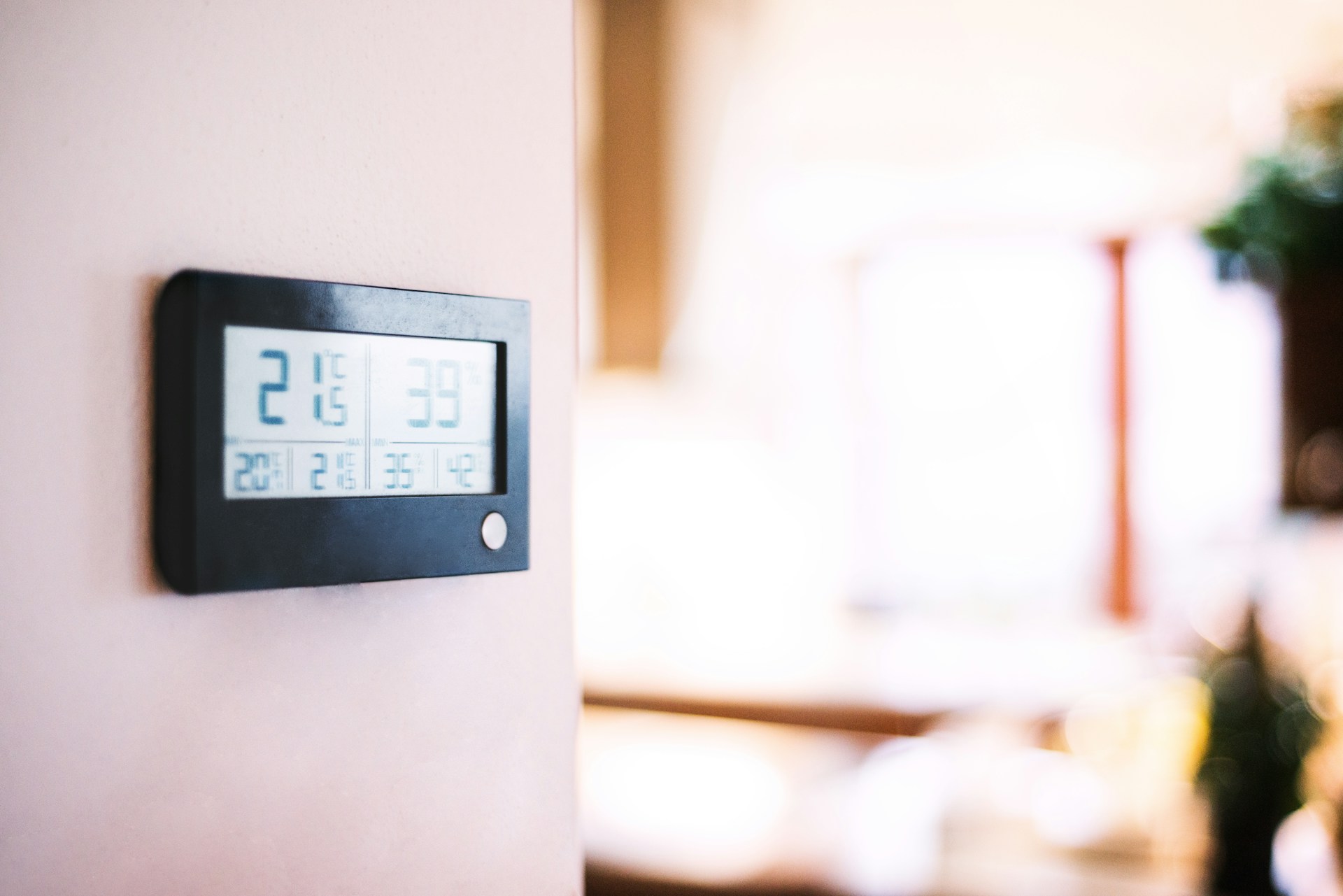
Breathe Easier in Cape Canaveral’s Summer Humidity
High humidity can make a house in Cape Canaveral feel sticky even when the AC is running. The air feels heavy, your skin feels damp, and the thermostat number does not match how you feel. That is because comfort is not just about temperature; it is also about how much moisture is in the air. When indoor humidity is high, you may notice musty smells, foggy windows, and higher energy bills as your AC runs longer and harder. As a local HVAC team serving Brevard County, we know how our coastal air likes to sneak into homes and hang around. In this post, we will talk about why homes here trap moisture, how your AC handles it, simple habits that help, and why an AC tune-up in Cape Canaveral before peak summer humidity is one of the smartest moves you can make.Why Cape Canaveral Homes Trap so Much Moisture
Living near the ocean is amazing, but the warm, damp air is always close by. As spring moves along, outdoor humidity stays high during the day and does not drop much at night. Afternoon storms bring even more moisture, and that sticky feeling often follows you indoors. Inside the house, normal daily life adds to the problem. Humidity builds up when you:- Take long hot showers
- Boil water or fry food without using the range hood
- Run laundry and then hang damp clothes inside
- Keep doors shut while pets and people move in and out all day
- Fog or water beads on windows and glass doors
- Sheets and clothes that feel clammy
- Musty or “old house” smells, especially in closets or near vents
- Spots of mold or mildew around bathrooms, supply vents, or on caulk
- Family members with irritated sinuses or breathing issues that feel worse indoors
How Your AC Fights Humidity and When It Struggles
Your AC does more than cool the air. As warm indoor air passes over the cold evaporator coil, moisture in the air turns into water drops on the coil. That water runs into the drain pan and out through the condensate drain line. When this works well, both temperature and humidity go down, and the air feels crisp instead of sticky. But several common problems make your AC much weaker at pulling water from the air:- Oversized AC units that cool too fast and shut off before removing much moisture
- Dirty filters that slow airflow across the coil
- Dust and buildup on the evaporator and outdoor coils
- Low refrigerant levels that keep the coil from getting cold enough
- Clogged condensate drains or drain pans that are full of algae or debris
- Closed supply vents or blocked returns that throw off airflow balance
Practical Steps to Reduce Indoor Moisture Right Now
You cannot change the ocean air outside, but you can cut down how much moisture builds up inside. Simple daily habits make a real difference when you stack them together. Try these everyday changes:- Turn on bathroom exhaust fans during showers and leave them running a bit after
- Use the kitchen range hood whenever you cook on the stove
- Keep lids on boiling pots when you can
- Shorten very hot showers and keep the bathroom door closed while you wash
- Dry towels fully and keep damp laundry in well-ventilated spots
- Add weatherstripping to leaky doors and windows
- Install door sweeps on exterior doors with gaps at the bottom
- Seal obvious duct leaks so your system is not pulling in humid attic or garage air
- Improve attic insulation so your home stays cooler and your AC runs more steadily
- Keep supply vents open and clear of furniture or rugs
- Avoid cranking the thermostat far below your normal setting
- Use a programmable thermostat to keep steady, longer cooling cycles
- Set the fan to “auto” instead of “on” so it does not blow warm, damp air back into rooms between cooling cycles
When You Need More Than Just the AC to Control Humidity
Sometimes, even a healthy AC system cannot keep indoor humidity where it should be. This is common in ground-floor condos, townhomes, or homes with crawlspaces or shaded areas that stay damp. In those cases, we may talk about extra solutions such as:- Whole-home dehumidifiers that work with your existing ductwork and help keep indoor humidity around 45 to 55 percent
- Indoor air quality tools like better filters, air purification, or UV lights that help deal with mold spores and other particles that thrive in moist air
- Musty odors that never really go away
- Visible mold on vents, walls, baseboards, or around windows
- Water around the air handler or signs that the condensate drain keeps backing up
- A humidity monitor that often reads above 60 percent even while the AC is running