RB Air
Our Location3558 S Hopkins Ave. Titusville, FL 32780
Phone Number
(321) 452-4055
Hours of Operation
Monday – Sunday: 24/7
Experienced technicians
Our team of certified and highly trained technicians brings years of experience to every job, ensuring reliable and effective repairs.
Prompt service
We understand the urgency of a broken air conditioner, especially in Florida’s heat. That’s why we strive to provide fast and efficient service to get your system back up and running.
Transparent pricing
We offer upfront, transparent pricing with no hidden fees, so you know exactly what to expect. Our competitive rates ensure you receive top-quality service at a fair price.
Customer satisfaction
Our priority is your comfort and satisfaction. We go above and beyond to ensure that every repair meets your expectations and that you are completely satisfied with our service.
Emergency?
Keep your home comfortable and efficient
Ductwork insulation for your home
Explore the benefits of professional ductwork insulation and how it improves comfort, energy efficiency, and HVAC performance throughout your home. Properly insulated ductwork helps reduce energy loss, maintains consistent indoor temperatures, and prevents unwanted heat gain or loss as air travels through your system. Whether your ducts run through an attic, crawl space, or unconditioned area, ductwork insulation is a cost-effective solution that enhances system efficiency and lowers energy costs.
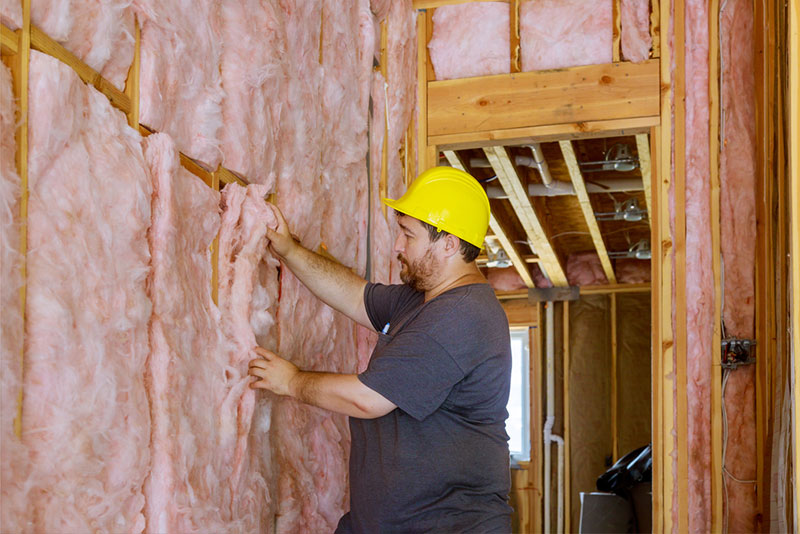
Fiberglass
- Cost-Effective: Typically less expensive than other insulation types.
- Ease of Installation: Easy to install, especially for DIY projects.
- Fire-Resistant: Does not burn easily, providing a safety benefit.
- Moisture Resistant: Does not absorb water, reducing the risk of mold.
- Versatile: Available in various forms, such as batts, rolls, and loose-fill.
Comparison to Other Insulation Types:
Spray Foam
Cellulose
Pros: Eco-friendly, good for soundproofing, high R-value.
Cons: Can absorb moisture, potential for settling, may require professional installation.
Mineral Wool
Pros: Fire-resistant, soundproofing qualities, does not absorb water.
Cons: More expensive, can cause skin irritation, harder to install.
Rigid Foam
Pros: High R-value, moisture-resistant, good for specific applications like basements.
Cons: More expensive, can be challenging to install in irregular spaces.
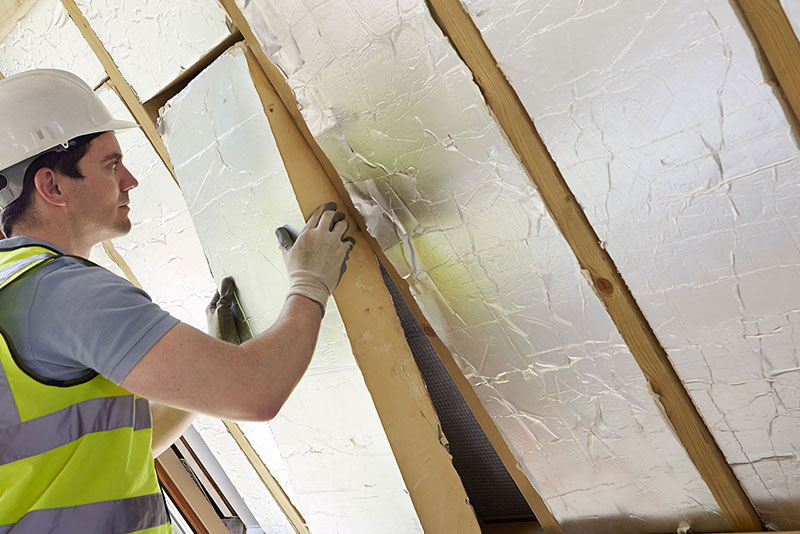
Rigid Foam
- High R-Value: Provides excellent thermal resistance per inch, enhancing energy efficiency.
- Moisture Resistance: Resists moisture absorption, maintaining insulation effectiveness.
- Versatility: Suitable for various applications, including exterior walls, roofs, and foundations.
- Durable: Long-lasting and retains its shape and effectiveness over time.
- Good Air Barrier: Helps reduce air leakage when properly installed, improving building efficiency.
Comparison to Other Insulation Types:
Loose-Fill Insulation
Reflective or Radiant Barrier Insulation
Pros: Reflects heat away from living spaces, reducing cooling costs.
Cons: Less effective in colder climates, requires air gap for optimal performance.
Natural Fiber Insulation (e.g., Cotton, Wool)
Pros: Renewable and eco-friendly, good for soundproofing.
Cons: May require higher thickness for comparable R-value
Spray Foam
Pros: High R-value, excellent air sealing capabilities.
Cons: More expensive, requires professional installation, potential for off-gassing.
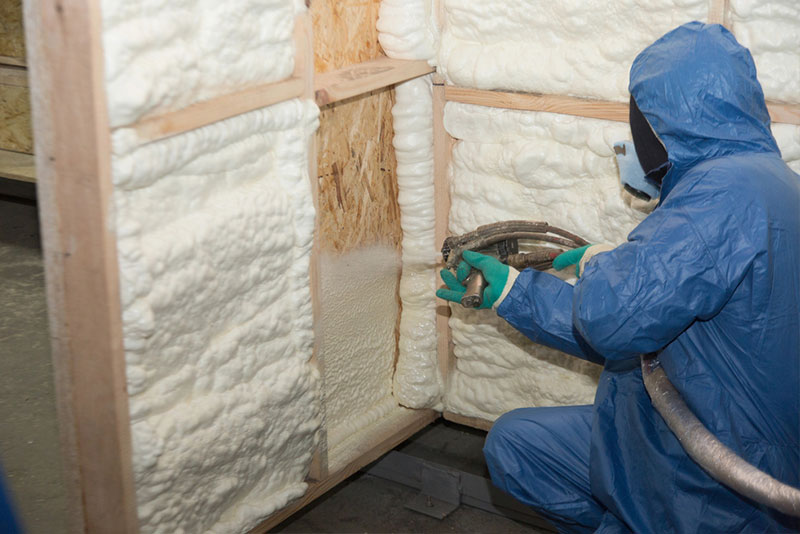
Spray Foam
- High R-Value: Provides superior insulation per inch compared to other types.
- Air Sealing: Creates an effective air barrier, reducing drafts and improving energy efficiency.
- Longevity: Durable and long-lasting, with minimal degradation over time.
- Moisture Resistant: Helps prevent mold and mildew growth by sealing out moisture.
- Structural Support: Adds strength to walls and roofs, enhancing structural integrity.
Comparison to Other Insulation Types:
Fiberglass
Cellulose
Pros: Eco-friendly, good for soundproofing, moderate R-value.
Cons: Can absorb moisture, may settle over time, potential for professional installation.
Mineral Wool
Pros: Fire-resistant, good soundproofing, water-resistant.
Cons: More expensive, potential for skin irritation, harder to install.
Rigid Foam
Pros: High R-value, moisture-resistant, good for specific applications.
Cons: Higher cost, challenging installation in irregular spaces.
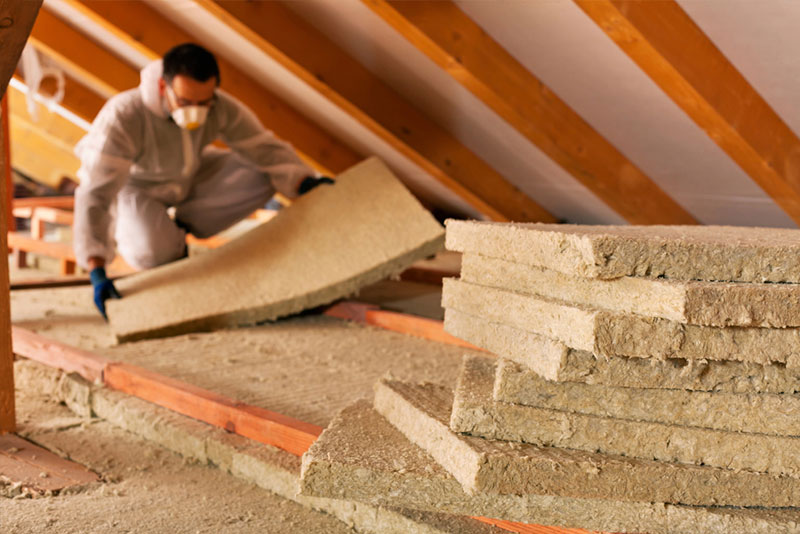
Mineral Wool
- Fire-Resistant: Naturally fire-resistant, providing added safety in residential applications.
- Good Soundproofing: Effective at reducing sound transmission between rooms.
- Water-Resistant: Does not absorb water, maintaining insulation effectiveness.
- High R-Value: Provides good thermal resistance per inch, enhancing energy efficiency.
- Durable: Long-lasting and retains its shape and effectiveness over time.
Comparison to Other Insulation Types:
Spray Foam
Fiberglass
Pros: Cost-effective, easy DIY installation, fire-resistant.
Cons: Lower R-value per inch, less effective air barrier.
Cellulose
Pros: Eco-friendly, good soundproofing, moderate R-value.
Cons: Can absorb moisture, may settle over time, potential for professional installation.
Rigid Foam
Pros: High R-value, moisture-resistant, good for specific applications.
Cons: Higher cost, challenging installation in irregular spaces.
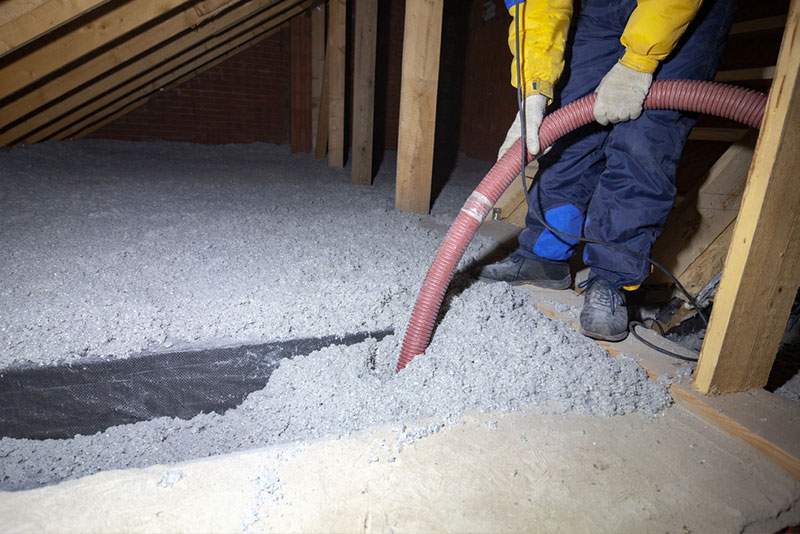
Cellulose
- Eco-Friendly: Made from recycled materials, reducing environmental impact.
- Good for Soundproofing: Dense material that helps block sound transmission.
- High R-Value: Provides good thermal resistance.
- Non-Toxic: Free from harmful chemicals and safe to handle.
- Pest Resistant: Treated with borates, making it resistant to insects and rodents.
Comparison to Other Insulation Types:
Fiberglass
Spray Foam
Pros: Higher R-value, excellent air sealing, long-lasting.
Cons: More expensive, requires professional installation, can be difficult to remove.
Mineral Wool
Pros: Fire-resistant, good soundproofing, does not absorb water.
Cons: More expensive, can cause skin irritation, harder to install.
Rigid Foam
Pros: High R-value, moisture-resistant, durable.
Cons: More expensive, can be challenging to install in irregular spaces, not as eco-friendly.
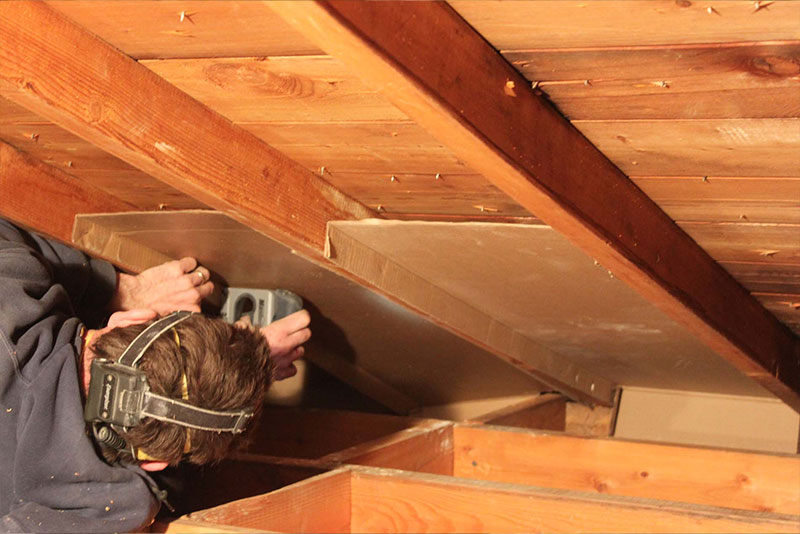
Vent Chutes
- Ensures Proper Ventilation: Helps maintain airflow in the attic, preventing moisture buildup.
- Prevents Ice Dams: By keeping the attic cooler, it reduces the risk of ice dams forming on the roof.
- Supports Insulation Efficiency: Keeps insulation from blocking soffit vents, maintaining its effectiveness.
- Easy Installation: Typically easy to install and integrate with existing insulation.
- Durable Material: Made from rigid foam or plastic, ensuring longevity.
Comparison to Other Insulation Types:
Spray Foam
Fiberglass
Pros: Cost-effective, easy to install, fire-resistant.
Cons: Can cause skin irritation, less effective at soundproofing, lower R-value than some other types.
Cellulose
Pros: Eco-friendly, good for soundproofing, high R-value.
Cons: Can absorb moisture, potential for settling, often requires professional installation.
Mineral Wool
Pros: Fire-resistant, good soundproofing, does not absorb water.
Cons: More expensive, can cause skin irritation, harder to install.
Efficient and Affordable Ductwork Insulation
How ductwork insulation saves you money
Improve comfort and efficiency by reducing energy loss through your HVAC ducts.
Why ductwork insulation is essential
Ductwork insulation plays a critical role in maintaining consistent temperatures throughout your home. By reducing heat gain and air loss as air travels through the ducts, your heating and cooling system operates more efficiently and delivers conditioned air where it’s needed most.
Why your home needs duct insulation
In Florida’s hot climate, ductwork often runs through attics, garages, or other unconditioned spaces. Without proper insulation, heat easily transfers into the ducts, forcing your air conditioner to work harder and increasing energy consumption and utility costs.
How ductwork insulation works
Our technicians insulate your ductwork to create a protective thermal barrier that minimizes heat transfer and air leakage. Proper insulation helps maintain the desired air temperature as it moves through the system, reduces strain on your HVAC equipment, and leads to noticeable savings on your energy bills.
Where We Serve
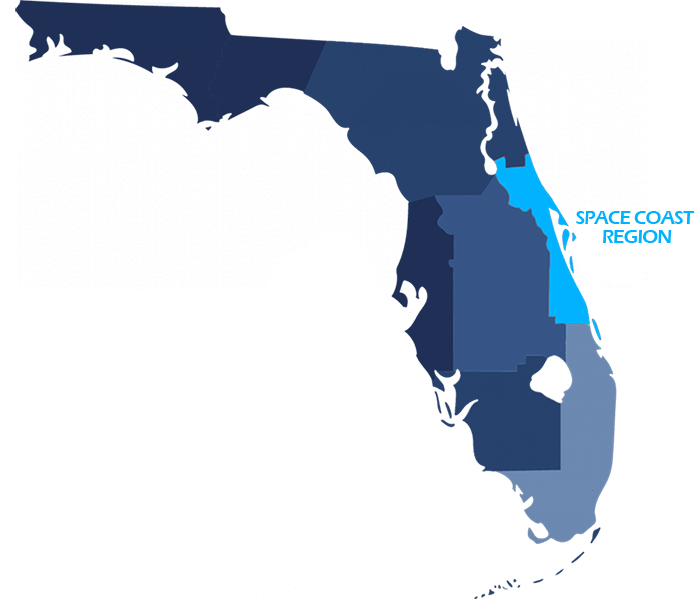
Proudly serving the Space Coast area
RB Air is dedicated to providing exceptional air conditioning repair services across a wide range of locations within the Space Coast Region. Our service areas include:
- Cocoa, FL
- Rockledge, FL
- Titusville, FL
- Merritt Island, FL
- Cape Canaveral, FL
- Melbourne, FL
- And Surrounding Areas