
A Homeowner’s Guide to Heating Duct Repair: DIY vs. Professional
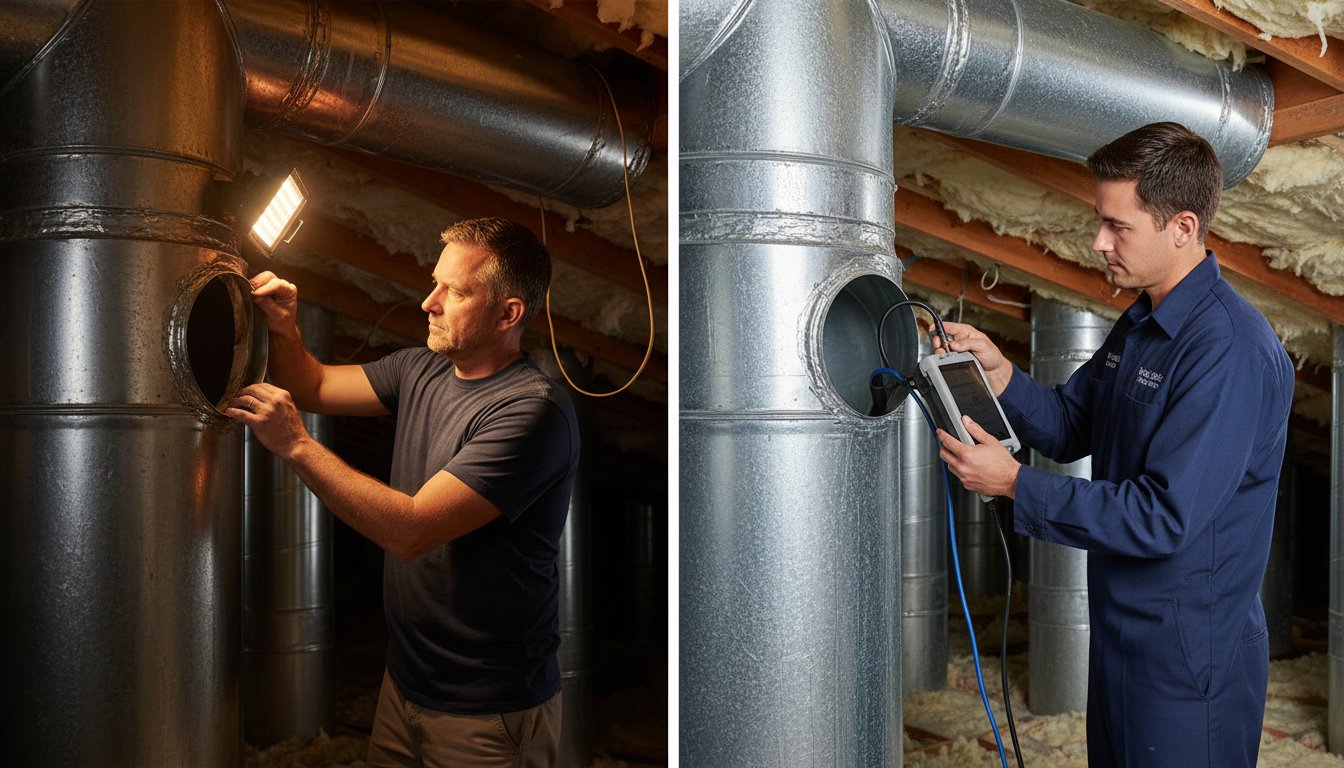
Have you noticed your heating bills climbing higher each month? Or maybe you’re dealing with frustrating hot and cold spots, where one room is cozy while another is always chilly. If you’re also fighting a losing battle with dust, the problem might not be your furnace-it could be hidden away in your ductwork. These common issues often point to leaky or damaged air ducts, a problem that can waste a surprising amount of your hard-earned money and affect your home’s air quality.
Fortunately, not every issue requires a professional service call. Tackling a minor heating duct repair can be a manageable project for a handy homeowner. As a family-owned company that has served our neighbors since 1963, we believe in giving you honest, straightforward advice. This guide will help you learn how to spot and fix small leaks yourself, and just as importantly, understand when it’s time to call a trusted expert for a safe, effective, and lasting solution. Let’s get you on the path to lower bills and consistent comfort.
Key Takeaways
- Learn to identify the hidden signs of duct leaks, such as unusually high energy bills and rooms that never seem to get warm.
- Discover how to safely inspect your own ductwork for common problems in accessible areas like your attic or crawlspace.
- For minor issues, you can perform a simple DIY heating duct repair using the right materials-and it’s not the gray tape you might think.
- Understand the clear signs that a problem is beyond a simple fix and requires the safety and expertise of a trusted professional.
Warning Signs: How to Know if Your Heating Ducts Need Repair
Is your furnace running constantly, but some rooms in your home still feel chilly? Are your energy bills creeping up every winter? These common frustrations often point to a problem you can’t see: leaky heating ducts. Because your ductwork is hidden away in your attic, crawlspace, or walls, the first signs of trouble usually appear as symptoms you can see, feel, and hear elsewhere in your home. Recognizing these warning signs is the first step toward a more comfortable and efficient home.
For a closer look at how professionals identify and seal these hidden leaks, this video offers a great overview:
If you suspect a problem, here are the key warning signs that it might be time to call a professional for a heating duct repair. Keep an eye out for any of the following issues:
- High Energy Bills and Inconsistent Temperatures. Leaky ducts can allow up to 30% of the heated air moving through them to escape into unconditioned spaces. This forces your furnace to work harder and run longer to heat your home, driving up your utility bills. It also leads to frustrating hot and cold spots, where one room feels comfortable while another stays cold.
- Poor Indoor Air Quality. Your ductwork doesn’t just waste energy when it leaks-it can also pull unhealthy air into your home. Gaps in ducts running through an attic or crawlspace can suck in dust, insulation particles, mold spores, and other allergens, circulating them throughout your living space. If you notice an unusual amount of dust on your furniture or musty odors coming from your vents, leaky ducts are a likely culprit.
- Visible Signs and Strange Noises. Sometimes, the evidence is more direct. A quick look in your attic or basement might reveal flexible ducts that are tangled, crushed, or completely disconnected. Depending on what heating ducts are made of, you might see gaps in the seams of metal ducts as well. Listen for rattling or whistling noises when your system is on, and check for weak airflow from one or more vents, as these are all major red flags.
Your DIY Inspection: How to Locate Leaks in Your Ductwork
Before you can tackle any repairs, you first need to find the source of the problem. Locating leaks in your ductwork is a straightforward process you can often do yourself. Finding the exact location of a leak is the most important first step toward an effective heating duct repair. This inspection will help you understand the scope of the issue and decide on the best next steps.
While you inspect your ducts, it’s also a good time to consider the overall health of your heating system. For expert assistance with boilers and pipework, WellPlumbed offers comprehensive services to keep your home warm.
Safety First: Before you begin, go to your thermostat and turn the HVAC system completely OFF. Make sure you have a good flashlight or headlamp, especially for dark attics, basements, or crawlspaces where ductwork is commonly found.
The Visual Inspection
Start by simply looking at all the accessible ductwork. Your eyes can often spot the most obvious problems right away. Keep an eye out for:
- Obvious rips, holes, or crushed sections of ductwork.
- Joints and seams that have come apart or look disconnected.
- Stretches of flexible duct that are tangled or kinked, which restricts airflow.
- Dark, dirty spots on the duct insulation. This is often a tell-tale sign that air has been leaking out and attracting dust to that spot over time.
The ‘Feel’ Test
For leaks that aren’t as obvious, your sense of touch is the next best tool. For this step, go to your thermostat and turn the system’s fan to “ON” (do not turn on the heat or AC). With air moving through the ducts, carefully run your hand along the seams and joints. You should be able to feel any drafts of escaping air, especially where two pieces of ductwork connect.
The Smoke Test (for small leaks)
Pinpointing smaller, hard-to-feel leaks can be tricky. A simple smoke test can make them visible. You can use an incense stick or a smoke pen for this. (Please be extremely careful when using this method near any flammable materials like insulation.) Hold the smoke source near a suspected leak. If the smoke is blown away from the duct or sucked toward it, you’ve found a leak. This method is excellent for confirming small gaps before starting a heating duct repair project.

DIY Heating Duct Repair: What You Can (and Can’t) Fix
For homeowners who enjoy a good weekend project, sealing a few accessible duct leaks can be a satisfying task. But before you start, let’s clear up a common myth: that roll of gray duct tape in your garage is not the right tool for the job. Despite its name, standard duct tape quickly dries out and peels away from ductwork due to temperature changes, making the leak even worse.
Doing the job correctly means using the right materials from the start. With the proper tools, you can effectively seal minor leaks in the ductwork you can easily see and reach in your attic, crawlspace, or basement.
Essential Tools and Materials
For a lasting, professional-grade seal, you only need a few key items. You can find these at most hardware stores:
- Mastic Sealant: This is a gooey, paint-on substance that dries into a hard, permanent, and flexible seal. It’s the gold standard for sealing ductwork.
- UL 181-Rated Foil Tape: This isn’t your average foil tape. It’s specifically designed to adhere to ducts and withstand extreme temperatures without failing. Look for the “UL 181” rating on the label.
- Safety Gear: Always use gloves, safety glasses, and have a utility knife handy for cutting tape and preparing surfaces.
Step-by-Step: Sealing Leaks and Joints
Once you’ve located a leak in an accessible duct, follow these straightforward steps:
- Clean the Surface: Use a damp rag to thoroughly wipe down the area around the leak or joint. The surface must be free of dust and grime for the sealant to bond properly.
- Bridge Larger Gaps: For any gaps or holes larger than a hairline crack, use a piece of UL 181-rated foil tape to cover the opening completely. Press it down firmly to create a strong bridge.
- Apply Mastic Sealant: Using a disposable paintbrush, apply a thick layer of mastic sealant over the foil tape and the entire joint. Don’t be shy-you want a layer at least as thick as a nickel.
- Spread Evenly: Smooth the mastic over the entire area, making sure to cover the edges of the tape and the surrounding seams. Think of it like frosting a cake; you want complete coverage.
The Limits of DIY: When Not to Touch It
While sealing small leaks is manageable, some heating duct repair jobs are best left to experienced professionals. For your safety and the proper function of your HVAC system, call an expert if you encounter:
- Hidden Ductwork: Ducts located inside walls, ceilings, or tight, inaccessible crawlspaces should not be touched.
- Suspected Asbestos: If you see an old, fibrous, cloth-like wrap on your ducts, it could contain asbestos. Do not disturb it.
- Major Damage: Completely collapsed, disconnected, or kinked ducts require professional tools and knowledge to re-hang and repair correctly. If the damage is extensive, you may also want to consult qualified duct installers in Brevard County to evaluate whether a full replacement is the smarter investment.
At Ray Brown Air and Heat, our family has provided honest, professional HVAC services since 1963. If your duct problem is more than you can handle, you can trust our team to get it done right.
When to Call a Professional: Signs You Need an Expert
While DIY solutions can be effective for minor, easily accessible leaks, many ductwork issues require the tools, training, and experience of a professional. Calling an expert isn’t a sign of defeat-it’s the smartest and safest decision for your home’s long-term health and efficiency. Some jobs are simply too complex or hazardous for a homeowner to handle alone.
If you encounter any of the following situations, it’s time to put down the mastic tape and call a trusted HVAC technician for a professional heating duct repair.
Major Damage or Accessibility Issues
Simple patches won’t solve significant structural problems. If your ductwork is located in a tight crawlspace, a hot attic, or other hard-to-reach areas, attempting a repair can be unsafe. Furthermore, if you find large gaps, crushed sections, or completely disconnected ducts, a professional is needed to properly resize, replace, and seal the damaged components to restore proper airflow and efficiency throughout your home.
Signs of Contamination
Your ductwork can unfortunately become a home for unwanted contaminants that pose a health risk to your family. Be on the lookout for:
- Musty or mildew-like smells coming from your vents, which often indicate mold growth inside the ducts.
- Evidence of a pest or rodent infestation, such as droppings or chewed materials near your vents or air handler.
These issues require more than a simple seal. A professional can safely clean, sanitize, and repair the ductwork to ensure the air circulating in your home is clean and healthy.
The Ray Brown Advantage: Since 1963
As a family-owned company serving Brevard County since 1963, we’ve built our reputation on honest work and reliable solutions. Our expert technicians go beyond simple visual checks. We use advanced diagnostic tools, including pressure tests, to accurately locate every leak in your system, even the hidden ones. This comprehensive approach ensures we provide a complete and lasting repair, not just a temporary patch.
We ensure every repair meets strict local building codes for safety and performance, giving you peace of mind that the job is done right. Don’t let complex duct problems compromise your comfort or air quality. If you’re unsure who to trust for the work, our guide on how to choose the best duct installers in Brevard County can help you make a confident, informed decision. Trust Brevard’s experts. Schedule a professional duct inspection today.
Secure Your Comfort with Professional Duct Repair
Understanding when your ducts need attention is the first step toward a more comfortable and efficient home. While sealing minor, visible leaks can be a satisfying DIY project, it’s crucial to recognize when a problem requires an expert’s touch. For complex issues or hard-to-reach damage, a professional heating duct repair ensures the job is done right, protecting your system and your peace of mind.
If you suspect your ductwork needs more than a simple patch, our team is here to help. As a family-owned and operated company serving Brevard County since 1963, we provide honest, expert service you can count on. With 24/7 emergency availability, we’re always ready when you need us most. Don’t let leaky ducts drain your wallet. Call Ray Brown Air and Heat for trusted service!
Taking control of your home’s heating system is empowering. Whether you handle a small fix yourself or trust it to our experienced team, you’re making a smart investment in your home’s long-term comfort and efficiency. For those looking to ensure their home’s exterior is as secure as their interior, check out I R. Wilson Roofing for professional roofing solutions.
Frequently Asked Questions About Heating Duct Repair
What is the average cost of professional heating duct repair?
The cost for professional heating duct repair can vary, but homeowners typically spend between $200 and $700. Minor, easily accessible leaks will be on the lower end of that range. More extensive damage, hard-to-reach ducts in attics or crawlspaces, or repairs that require replacing entire sections will cost more. For an accurate and honest price, it’s always best to have an expert technician inspect your system and provide a detailed quote based on your home’s specific needs.
Is it worth it to repair old ductwork, or should I replace it?
Deciding whether to repair or replace old ductwork depends on a few key factors. If your ducts are under 15 years old and only have a few isolated leaks, a repair is usually the most cost-effective choice. However, if the ductwork is older, has widespread damage, or is poorly designed, replacement is often the better long-term investment for your home’s efficiency and air quality. An honest technician can help you weigh the pros and cons for your situation.
How long does a professional duct repair take?
Most straightforward duct repairs can be completed by a professional technician in just a few hours. This timeframe typically includes locating the leaks, cleaning the area, and applying the proper sealant. If the damage is extensive or the ducts are in a difficult-to-access location like a tight crawlspace, the job could take longer, potentially up to a full day. A trusted professional will always give you a clear timeline before starting any work.
Can I use regular duct tape to seal my heating ducts?
It’s a common myth, but you should never use standard gray duct tape for sealing ducts. Despite its name, the cloth-based adhesive breaks down quickly under the temperature changes inside your duct system, causing the seal to fail. Professionals use specialized materials like mastic sealant or foil-backed tape, which are designed to create a durable, long-lasting, and airtight seal. Using the right materials is key to a proper repair that actually lasts.
Does repairing duct leaks really lower my energy bill?
Yes, absolutely. Leaky ducts can be a major source of energy waste. According to the U.S. Department of Energy, a typical home can lose 20 to 30 percent of the air that moves through its duct system to leaks and poor connections. Sealing those leaks ensures that the heated air you’re paying for actually reaches your living spaces, which can significantly lower your monthly heating bills and improve your home’s overall comfort and efficiency.
Is heating duct repair different from AC duct repair?
In most homes, your heating and air conditioning systems use the same network of ducts to distribute air. Because of this, the repair process is essentially the same. The goal for both is to create an airtight pathway to prevent conditioned air-whether warm or cool-from escaping into your attic or walls. A properly sealed duct system will improve the performance of your entire HVAC system year-round, keeping you comfortable no matter the season.