
Why Is My Ice Machine Not Making Ice?
Nov 16, 2025
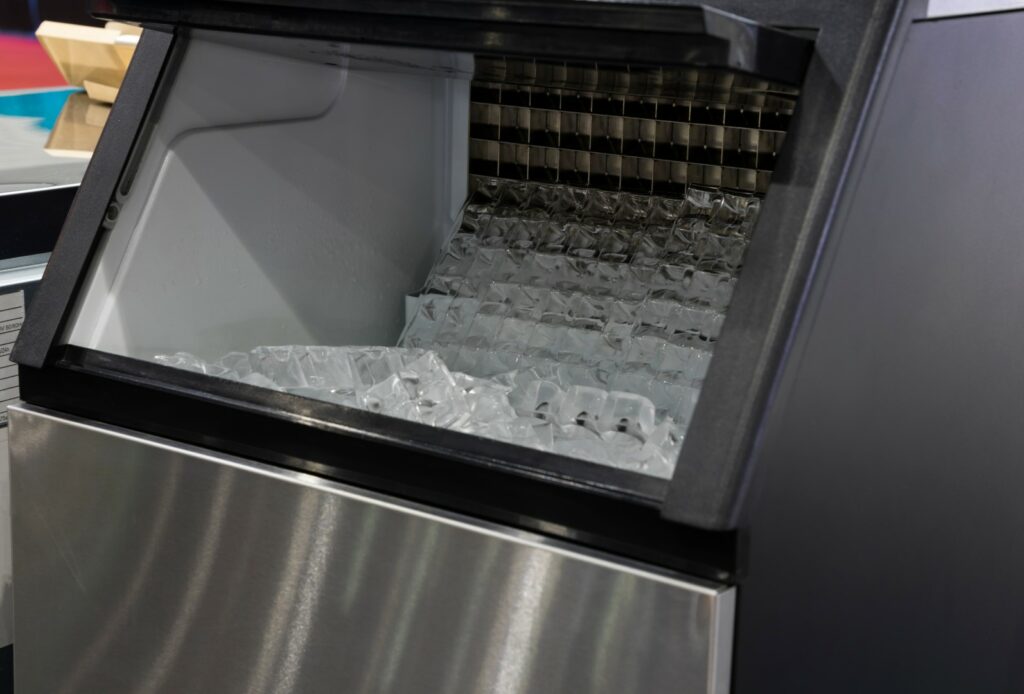
Ice machines usually stop making ice because of water flow issues, temperature problems, dirty components, or electrical interruptions.
When an ice machine stops producing ice, the issue is often tied to restricted water supply, warm temperatures, clogged filters, or malfunctioning internal parts. In many cases, the problem can be identified through basic checks, while more complex failures require professional refrigeration service to restore normal ice production.
What Causes an Ice Machine To Stop Making Ice?
Ice machines rely on consistent water flow, proper cooling, and uninterrupted power. When one of these systems is disrupted, ice production slows or stops entirely. Below are the most common causes, organized from simplest to more complex.
Common Reasons Your Ice Machine Isn’t Making Ice
1. Water Supply Problems
Your ice machine needs steady water pressure to operate. If the supply line is kinked, frozen, clogged with mineral buildup, or partially shut off, the unit won’t be able to form ice.
2. Temperature Is Too Warm
Ice machines require cold internal temperatures to freeze water efficiently. If the freezer or surrounding environment is too warm, ice production slows significantly or stops.
Temperature guideline: most ice makers perform best when freezer temperatures stay between 0°F and 5°F.
3. Clogged or Expired Water Filter
Water filters protect your ice machine from sediment and minerals, but clogged filters restrict flow. In Florida homes with hard water, filters may need replacement more frequently than the standard six-month interval.
4. Frozen Internal Components
Ice makers can freeze internally when doors are left open, airflow is restricted, or temperatures fluctuate suddenly. Frozen components prevent ice from releasing remember or water from flowing properly.
Safe Defrosting
Tip: Turn the unit off and allow it to thaw naturally for 30–60 minutes. Avoid using sharp tools that could damage internal parts.
5. Ice Maker Switch or Sensor Issues
Many ice machines shut off automatically when the bin is full. A stuck shutoff arm, blocked sensor, or accidentally switched-off unit can stop ice production even when the bin is empty.
6. Dirty Condenser Coils
Condenser coils release heat during operation. When dust, grease, or pet hair builds up, the system overheats and struggles to freeze water efficiently.
7. Electrical or Power Issues
Power surges, tripped breakers, or damaged outlets can shut down ice machines completely. This is especially common after storms or brief outages.
If power interruptions are frequent, dependable backup power can help protect refrigeration appliances during outages.
Ice Machine Problems at a Glance
| Issue Type | What Happens | DIY Check? | Professional Help Needed? |
|---|---|---|---|
| Water supply | No water enters unit | Yes | Sometimes |
| Warm temperatures | Ice freezes slowly or not at all | Yes | Sometimes |
| Dirty filter | Reduced ice output | Yes | No |
| Frozen components | Ice jams or no release | Yes | Sometimes |
| Electrical failure | Unit won’t power on | Limited | Yes |
Basic Troubleshooting Before Scheduling Service
Before calling a technician, these quick checks may help restore ice production without tools or disassembly.
When To Call a Professional
If basic troubleshooting doesn’t restore ice production, professional service is recommended. Licensed technicians can safely diagnose issues such as:
Prompt professional repair helps prevent water damage, protects internal components, and restores consistent ice production. RBAir provides expert ice machine repair along with complete refrigeration services for Florida homeowners.
Need Fast Ice Machine Repair?
Our technicians can diagnose the issue quickly and restore reliable ice production.
How To Prevent Ice Machine Problems
Routine maintenance significantly reduces breakdowns and extends the life of your ice machine.
Your Ice Machine Can Work Like New Again
Most ice machine problems stem from fixable issues like restricted water flow, temperature imbalance, or worn components. With proper troubleshooting and timely professional service, ice production can often be restored quickly and reliably.
If your ice machine still isn’t producing ice, RBAir is here to help with trusted diagnostics and repair.
Ready To Fix Your Ice Machine?
We’ll identify the problem and get your ice maker working again—quickly and professionally.