
How To Keep Your Fridge and Freezer Running During Hurricanes
Nov 9, 2025
You can keep your fridge and freezer cold during a hurricane by limiting door openings, adding thermal mass, and preparing backup power before outages begin.
Hurricanes often cause long power outages that quickly put refrigerated food at risk. Without electricity, cold air escapes fast unless temperatures are stabilized ahead of time. Strategic preparation—like pre-cooling appliances, reducing air loss, and planning for backup power—helps food stay safe longer, even during extended outages.
How Can You Protect Refrigerated Food When Power Goes Out?
Below, you’ll find practical steps you can take before, during, and after a storm to keep your appliances cold as long as possible. You’ll also learn why having a reliable backup power source—such as a whole-house generator—is one of the most dependable ways to protect your food, comfort, and safety during hurricane season.
Why Hurricanes Put Your Fridge and Freezer at Risk
Hurricanes often bring down power lines, flood electrical systems, and damage infrastructure, leading to prolonged outages. Without power, your refrigerator and freezer begin warming immediately. Even when you keep the doors closed, food safety can become a concern much faster than many homeowners expect.
In general:
Safe temperature targets: keep the refrigerator at 40°F or below and the freezer at 0°F or below. If perishable food rises above 40°F for more than 2 hours, it should be discarded.
How To Keep Your Fridge and Freezer Running During Hurricanes
The best protection comes from planning ahead. Use the steps below to build “cold retention” before the storm arrives—and to keep temperatures safer if the power goes out.
1. Pre-Cool Your Fridge and Freezer
Set your refrigerator and freezer to their coldest safe settings about 24 hours before the storm. This creates a “cold buffer,” helping your appliances stay in the safe zone longer if power is interrupted.
Quick guideline: many homeowners aim for around 37°F in the fridge and about -5°F in the freezer before a storm.
2. Freeze Water Bottles and Use Them as Ice Packs
Frozen water bottles help regulate temperature inside your fridge and freezer by increasing thermal mass. They act like built-in ice packs, keeping air colder longer during an outage. Once thawed, they also provide safe drinking water—an essential during hurricane recovery.
3. Keep the Doors Closed as Much as Possible
Every time the refrigerator or freezer door opens, cold air escapes and warm, humid air enters. Limit openings during and after the storm to preserve temperatures.
4. Add Ice or Dry Ice If Available
Extra ice can extend safe holding time, and dry ice can be especially effective for keeping a freezer cold. Many stores stock dry ice ahead of major storms, but availability varies.
Handle Dry Ice Safely
Tip: Place dry ice on the top shelf of your freezer (it cools downward). Wear gloves, ventilate the area, and avoid direct skin contact.
5. Move Food Closer Together
A packed freezer stays colder longer because frozen items help insulate each other. If your freezer has empty space, fill it with frozen water containers or bagged ice. You can also consolidate items so fewer air gaps exist between them.
6. Use a Cooler for Frequently Used Items
Instead of repeatedly opening the fridge, place frequently used items (drinks, snacks, some medications) in a cooler with ice. This keeps your refrigerator sealed and preserves cold air longer.
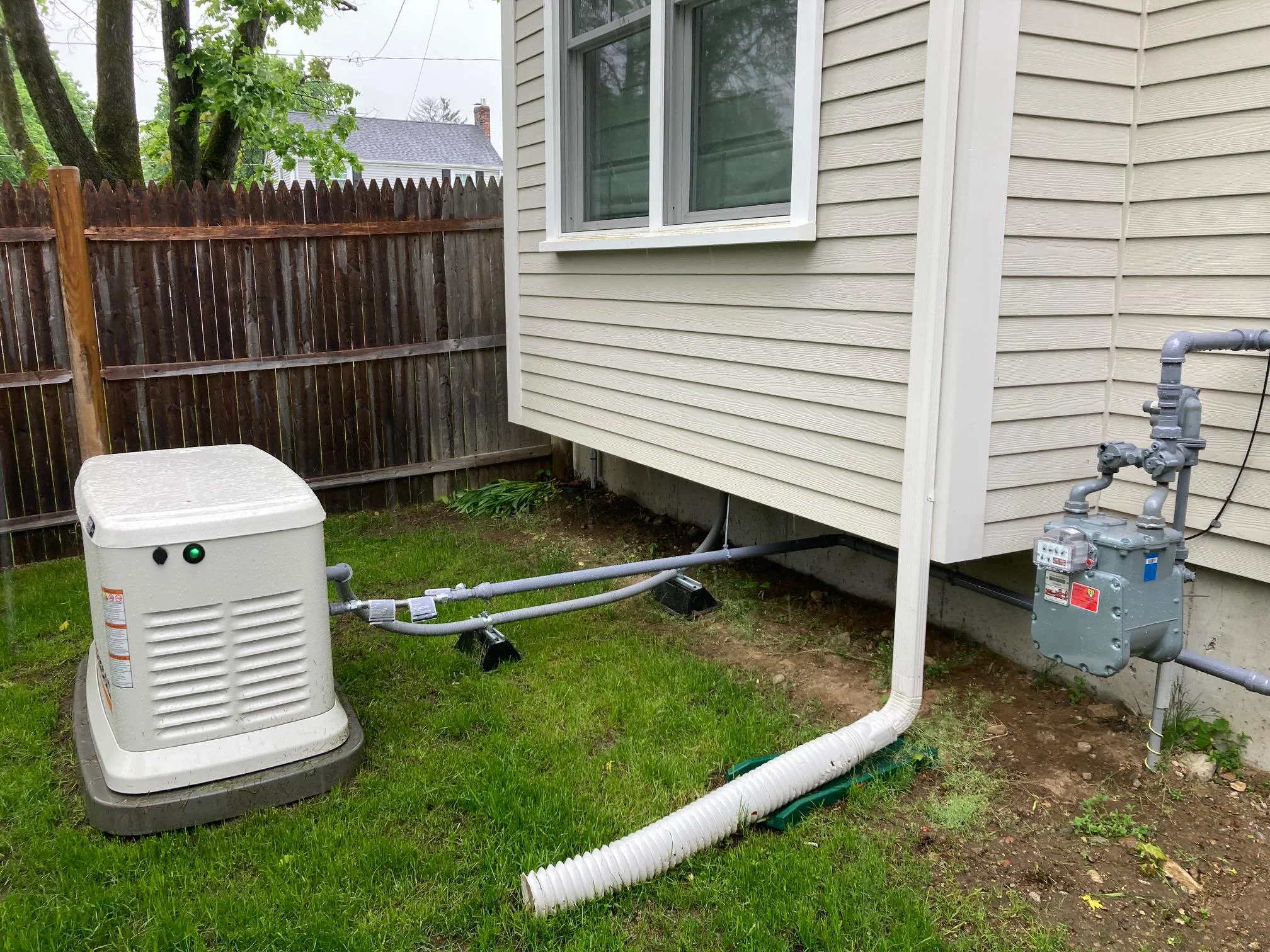
7. Consider a Whole-Home Generator
The most reliable way to keep your refrigerator and freezer running during a hurricane is to have automatic backup power ready. A whole-house generator turns on when the power goes out, keeping essential systems running without manual setup. Unlike many portable generators, whole-home systems can power your electrical panel safely and consistently when professionally installed.
Why This Matters for Food Safety
Tip: If outages commonly last beyond 4–24 hours in your area, automatic backup power can be the simplest way to avoid food loss, stress, and repeated temperature swings.
Cooling Options at a Glance
| Method | How It Helps | Best For | Cost Level | Limitations |
|---|---|---|---|---|
| Pre-cooling | Creates a cold buffer | All households | Low | Helps most when doors stay closed |
| Frozen water bottles | Adds thermal mass | Short-to-medium outages | Low | Requires freezer space and prep time |
| Ice / dry ice | Extends cooling window | Planned storm prep | Medium | Availability, handling safety, limited duration |
| Cooler for daily items | Keeps fridge closed | Families with frequent access needs | Low | Needs ice replenishment |
| Whole-home backup power | Restores power automatically | Multi-day outages | High | Requires professional install and maintenance |
Want Reliable Power During Storm Season?
A whole-house generator keeps your fridge, freezer, and essential appliances running seamlessly during outages.
What Not To Do During a Power Outage
Knowing what to avoid during and after a hurricane is as important as knowing what to do. These mistakes can shorten safe cooling time and increase the odds you’ll have to throw away food.
Don’t Open the Doors “Just to Check”
It’s tempting to open the fridge to see how it’s doing, but each opening lets cold air out and warm, humid air in. The more you open it, the faster internal temperatures rise.
Don’t Refreeze Thawed Food That Feels Warm
If food has been above 40°F for more than 2 hours, it’s safest to throw it out. Refreezing doesn’t reverse bacteria growth that may have already started.
Don’t Run a Portable Generator Indoors
Never run a portable generator inside your home, garage, shed, or enclosed patio. Portable units release carbon monoxide, a deadly gas that can build quickly in enclosed spaces.
Generator Safety First
Tip: If you use a portable generator, operate it outdoors and away from windows and doors. For automatic whole-home coverage, a professionally installed system is the safest route.
When To Throw Out Food After a Hurricane
Food safety becomes a major concern during long outages. Use this simple decision guidance to reduce risk.
Quick Food Safety Guide
Best practice: keep an appliance thermometer in both the fridge and freezer so you can verify temperatures without guessing.
Daily Hurricane Season Prep Checklist
Use this quick checklist throughout hurricane season to protect your fridge, freezer, and home comfort systems:
If you’re not sure what support makes sense for your home, explore your options on our services page.
Your Fridge and Freezer Don’t Have To Fail During a Hurricane
A little preparation can go a long way in keeping your food cold and safe during a storm. But the most dependable way to maintain power—even during multi-day outages—is having automatic backup power in place. It keeps your refrigerator, freezer, HVAC system, and essential appliances running more consistently, giving you peace of mind all season long.
If you’re ready for reliable power and better protection during hurricanes, RBAir is here to help with expert guidance and installation.
Ready To Protect Your Home During Hurricane Season?
Our team can help you plan dependable backup power that keeps your appliances running—even during extended outages.