
How to Take Advantage of Energy Efficiency Tax Incentives
Aug 1, 2025
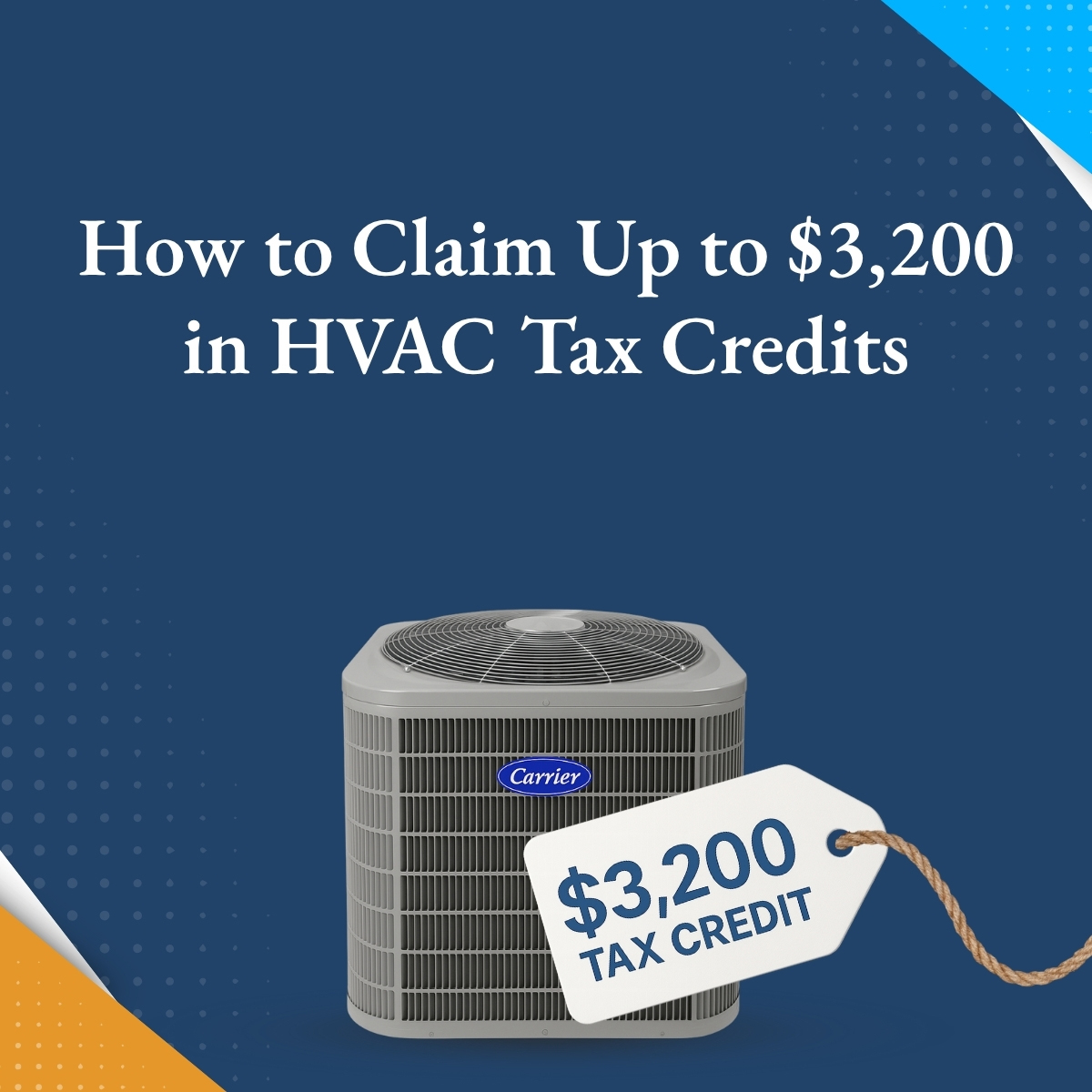
The Inflation Reduction Act (IRA) of 2022 introduced valuable tax incentives aimed at promoting sustainable practices and easing the financial burden of green upgrades. Whether you’re retrofitting your home for energy savings or installing renewable systems, these incentives offer tangible savings opportunities.
What Tax Benefits Are Offered?
The IRA provides several tax credits to encourage energy-smart upgrades in homes and businesses. These incentives cover a wide array of improvements, from insulation and efficient HVAC systems to solar panels and electric vehicles, helping reduce both environmental impact and upfront costs. You can compare your options using resources like the Database of State Incentives for Renewables & Efficiency (DSIRE) to find additional state and local rebates that may stack with these federal credits.
Energy Efficient Home Improvement Credit (25C)
This credit supports homeowners who enhance their properties with energy-efficient features. It offers up to 30% back on qualifying upgrades such as upgraded insulation, ENERGY STAR-rated windows and doors, efficient heat pumps, and modern HVAC units.
Key Highlights:
- An annual cap of $1,200, which resets each year and allows for phased improvements
- Item-specific limits such as $250 per door and $600 for qualified air conditioners
To qualify, installations must meet designated efficiency benchmarks. Keep all documentation, including receipts and product certifications.
Eligibility Criteria for the Home Improvement Credit
To receive the Energy Efficient Home Improvement Credit, certain rules must be followed:
- Approved Products: Items must meet U.S. Department of Energy or ENERGY STAR efficiency standards. Examples include high-efficiency doors, windows, insulation, and HVAC systems.
- Installation Timing: Upgrades must be completed within the tax year for which you’re filing. The annual reset allows you to plan work in phases.
- Proof of Purchase: Save invoices, receipts, and manufacturer certifications to verify eligibility.
- Primary Residence Only: This credit applies to your main home only. Vacation homes and rentals do not qualify.
Need Help Navigating Efficiency Credits?
Our team can walk you through which upgrades qualify and help you maximize your available credits.
What Efficiency Standards Apply?
The DOE sets minimum performance requirements for products eligible under these credits. Here’s an overview of typical benchmarks:
- Home Appliances:
- Refrigerators: Must stay under specific kWh thresholds based on size and configuration
- Washers: Must meet minimum IMEF and maximum IWF ratings
- HVAC Equipment:
- Air Conditioners: Must meet SEER ratings of 14 or higher in the North and 15 or higher in the South
- Furnaces: Required AFUE rating of at least 80 percent
- Water Heaters:
- Electric: EF of 0.95 or greater for units up to 55 gallons
- Gas: EF of 0.67 or higher for comparable units
- Lighting:
- General service lamps must have efficacy of 45 lumens per watt or higher
- Commercial Systems:
- Coolers and Freezers: R-values of 25 for coolers and 32 for freezers
- Electric Motors: Must meet efficiency standards by horsepower, such as 96.2 percent for 100 HP motors
Requirements are updated often. For the latest details, visit the DOE Appliance Standards Program.
Residential Clean Energy Credit (25D)
This credit is ideal for homeowners investing in renewable energy systems. It provides a 30% return on installations like solar panels, wind turbines, solar water heaters, and geothermal units.
Notable Features:
- No maximum claim limit
- Applies to both primary homes and second residences
Both equipment and installation costs are included, making this a powerful incentive for those going green.
Who Qualifies for the Clean Energy Credit?
Follow these basic requirements to ensure eligibility:
- Approved Systems: Includes solar, wind, geothermal, solar water heating, and more. Must meet current efficiency criteria.
- Covered Expenses: Equipment and labor both qualify
- Property Eligibility: Applies to primary homes and second residences. Rental properties are not eligible.
- Timeframe: Installations must occur starting in 2023 or later
Planning a Renewable Energy Upgrade?
We can help you explore the best systems for your home and ensure you meet all IRS and DOE requirements.
Efficiency Requirements for Renewable Systems
Solar PV Systems
- Must supply power to a residence owned by the taxpayer
- Includes labor and wiring costs

Solar Water Heating
- Must be SRCC-certified or meet state-endorsed standards
- At least 50 percent of water heating must come from solar
- Does not include pools or hot tubs

Wind Turbines
- Must produce electricity for use at the residence
- Installation and wiring are covered
Geothermal Heat Pumps
- Must meet ENERGY STAR specifications
- Installation, piping, and wiring are eligible
Fuel Cells
- Must produce 0.5 kW or more
- Must achieve at least 30 percent efficiency
- Must be installed at your main residence
Battery Storage
- Must store at least 3 kWh
- Must be installed at a home in the United States
Refer to the IRS Clean Energy Credit Guide for more details.
Start Exploring Your Incentive Options
See which energy-efficient improvements can bring you the biggest savings and environmental benefits.

Step-by-Step Guide to Claiming Your Tax Credits
If you’re ready to take advantage of energy tax incentives, here’s a simple roadmap:
Step #1
Check Your Eligibility
Make sure your planned upgrades qualify. Most incentives apply to improvements made after January 1, 2023. Confirm that each product meets applicable performance standards using trusted sources like the ENERGY STAR product database.
Step #2
Gather Required Records
Maintain receipts, certification statements, and invoices. You’ll need these when filing your taxes.
Step #3
Complete IRS Form 5695
Use IRS Form 5695 to report your qualified improvements and claim both energy efficiency and renewable energy credits.
Tip: Speak with a tax pro to ensure you’re maximizing your credits and complying with IRS guidelines.
Step #4
Consider Carryover Rules
If your credits exceed your annual tax due, you may be able to apply the surplus to future tax years, depending on the program.
Start Saving with Smart Energy Choices
The Inflation Reduction Act makes sustainable upgrades more affordable than ever. By leveraging available credits and following the correct steps, you can reduce your costs while improving your home’s performance and sustainability.
Not sure where to begin? We’re here to help you every step of the way.